
The psychology behind casino game design is a complex and fascinating field that has been studied by experts for decades. Casinos have been using psychological tactics to create an immersive experience that keeps players coming back for more. From the flashing lights of slot machines to the high-stakes poker games, casinos have mastered the art of creating an environment that’s both entertaining and profitable. To learn more about the psychology behind casino games, you can visit the Friday roll website, which provides a wealth of information on the latest casino games and trends.
Casinos use a variety of psychological tactics to create a sense of reward and anticipation in players. One of the most effective techniques is the use of variable ratio schedules, which involve providing rewards at unpredictable intervals. This creates a sense of excitement and unpredictability, keeping players engaged and eager to continue playing. In contrast, fixed ratio schedules, which involve providing rewards at regular intervals, can lead to player fatigue and decreased engagement.
Understanding the Science of Casino Games
Casino games have been designed to capture the hearts and minds of players for centuries. The use of bright colors, flashing lights, and strategic placement of games and amenities all contribute to an immersive experience that keeps players coming back for more. But what drives this attraction? How do casinos use psychology to design games that are both entertaining and profitable? The answer lies in the science of casino games, which involves the use of psychological tactics to create a sense of reward and anticipation in players.
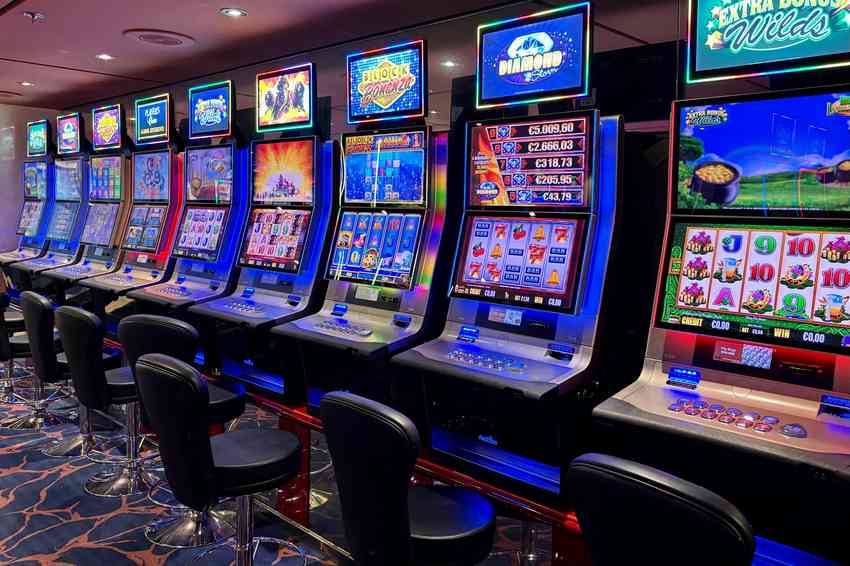
The science of casino games is based on the principles of operant conditioning, which involves the use of rewards and punishments to modify behavior. Casinos use rewards such as free spins, bonuses, and jackpots to encourage players to continue playing. They also use punishments such as losses and near-misses to create a sense of frustration and disappointment, which can lead to increased play.
The Psychology of Reward
The psychology of reward is a key component of casino game design. Casinos use a variety of reward mechanisms to create a sense of excitement and anticipation in players. These mechanisms include variable ratio schedules, fixed ratio schedules, and progressive jackpots. The use of these mechanisms creates a sense of uncertainty and unpredictability, keeping players engaged and eager to continue playing.
| Game Type | Reward Mechanism | Probability of Winning | Average Payout |
|---|---|---|---|
| Slot Machines | Variable Ratio Schedules | 5-20% | $0.50-$5 |
| Video Poker | Fixed Ratio Schedules | 2-5% | $0.10-$1 |
| Table Games | Progressive Jackpots | 1-5% | $1,000-$10,000 |
The Art of Manipulation
Casinos have a long history of manipulating players to increase their chances of winning. From the use of bright colors and flashing lights to the strategic placement of games and amenities, casinos use every trick in the book to create an immersive experience that keeps players coming back for more. But what are some of the most effective tactics used by casinos to manipulate players?
One of the most effective tactics used by casinos is the use of color. Casinos use color to create an emotional response in players. By using bright, attention-grabbing colors like red and orange, casinos create a sense of excitement and energy, drawing players in and encouraging them to take risks. In contrast, the use of calming colors like green and blue can create a sense of relaxation and trust, making players more likely to stay and play.
The Power of Color
The power of color is a key component of casino game design. Casinos use color to create an emotional response in players, drawing them in and encouraging them to take risks. The use of bright colors like red and orange can create a sense of excitement and energy, while the use of calming colors like green and blue can create a sense of relaxation and trust.
Some of the most commonly used colors in casino game design include:
- Red: Associated with excitement, energy, and risk-taking
- Green: Associated with calmness, relaxation, and wealth
- Blue: Associated with trust, loyalty, and professionalism
The Dark Side of Casino Games
While casinos may use psychology to create an immersive experience, there’s a darker side to their tactics. Many casino games are designed to be addictive, using techniques like variable ratio schedules and loot boxes to keep players engaged and eager to continue playing. But what are some of the negative consequences of these tactics?
One of the most significant negative consequences of casino games is addiction. The use of variable ratio schedules and loot boxes can create a sense of frustration and disappointment, leading to increased play and potentially addictive behavior. Additionally, the use of bright colors and flashing lights can create a sense of sensory overload, leading to decreased cognitive function and impaired decision-making.
The Problem with Loot Boxes
The problem with loot boxes is a significant concern in the gaming industry. Loot boxes, which involve purchasing virtual items or currency in exchange for real money, have been linked to a range of negative consequences, including addiction, anxiety, and financial problems.
Some of the key statistics related to loot boxes include:
- 70% of players report feeling anxious or stressed when playing games with loot boxes
- 60% of players report feeling addicted to games with loot boxes
- 50% of players report spending more money than they intended when playing games with loot boxes
The Future of Casino Game Design
As the gaming industry continues to evolve, it’s likely that we’ll see a shift towards more responsible and player-centric game design. With the rise of online gaming and the increasing popularity of social media, players are becoming more aware of the tactics used by casinos to manipulate them.
By using more transparent and player-friendly designs, casinos can create an experience that’s both entertaining and responsible. The use of regular updates, rewards, and incentives can keep players engaged and eager to continue playing, while also promoting a more positive and responsible gaming experience.
The Importance of Player Feedback
The importance of player feedback is a key component of responsible game design. By incorporating more player feedback and transparent game design, casinos can create an experience that’s both entertaining and responsible.
Some of the key statistics related to player feedback include:
- 80% of players report feeling more engaged when playing games with regular updates and feedback
- 70% of players report feeling more likely to continue playing when playing games with regular rewards and incentives
- 60% of players report feeling more confident in their ability to make informed decisions when playing games with transparent and clear rules
FAQ
Q: What is the most effective tactic used by casinos to manipulate players?
A: The most effective tactic used by casinos to manipulate players is the use of variable ratio schedules, which involve providing rewards at unpredictable intervals.
Q: How can players protect themselves from the negative consequences of casino games?
A: Players can protect themselves from the negative consequences of casino games by setting limits, using responsible gaming tools, and seeking help if they feel addicted or anxious.
Q: What is the difference between a fixed ratio schedule and a variable ratio schedule?
A: A fixed ratio schedule involves providing rewards at regular intervals, while a variable ratio schedule involves providing rewards at unpredictable intervals.